Which Shelly device should you choose to reduce your electricity bill?
A practical guide to choosing a Shelly smart plug, relay, DIN-rail device, or energy meter so Smart Kilowatts can help reduce your electricity bill.
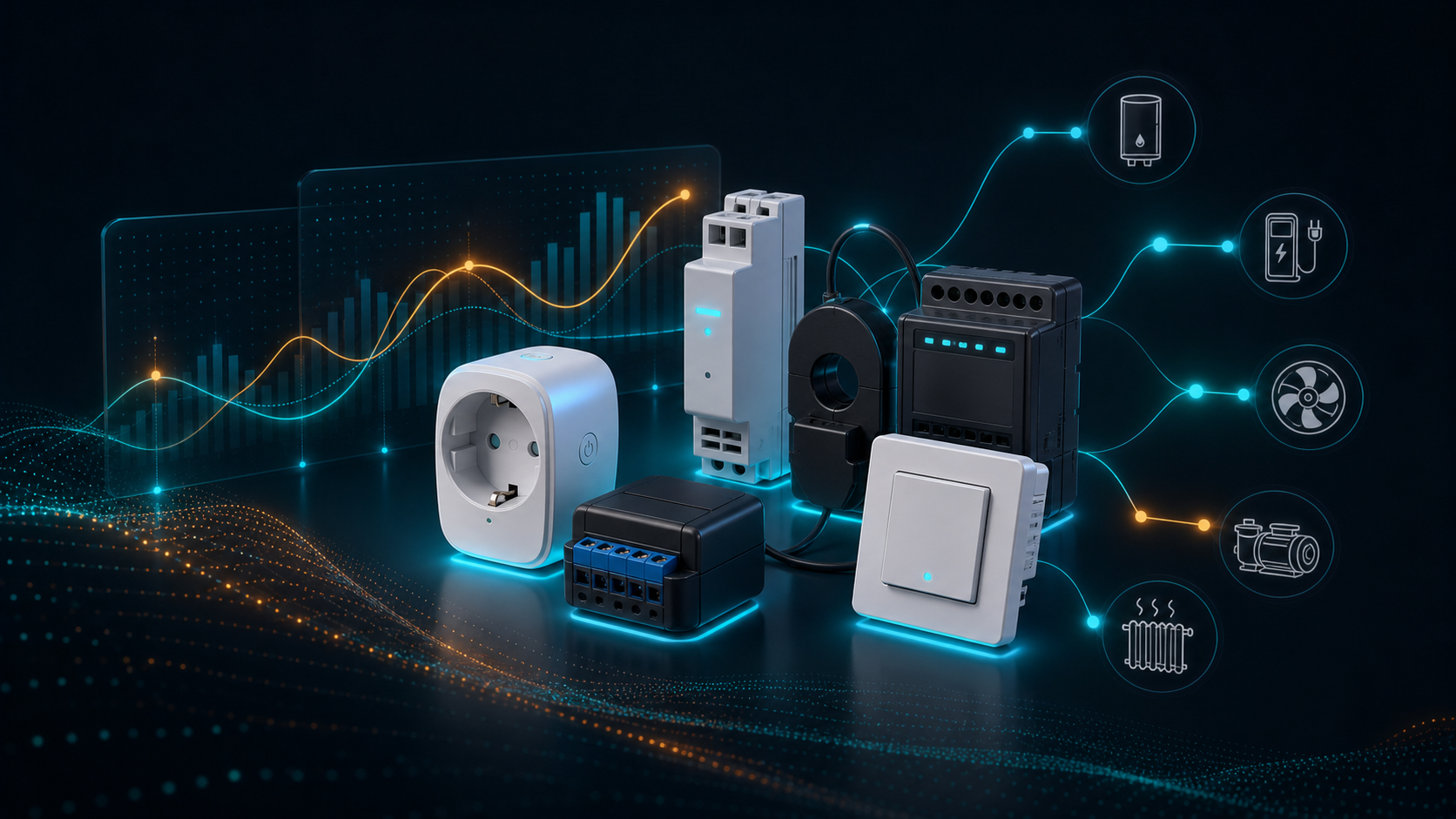
If you want to reduce your electricity bill with Smart Kilowatts, the most important question is not only "which Shelly should I buy?" First you need to answer this: what exactly do you want to do - only measure, or also automatically switch a device during cheaper hours?
Smart Kilowatts creates the most value when a device can run not just at any time, but when electricity is cheaper. That means the right Shelly device must match the load, installation location, safety requirements, and whether you need energy measurement.
Start with the load, not the model
A good candidate for automation is a device where the total runtime matters, but it does not need to run at a specific minute. Examples include a boiler, pool pump, ventilation unit, EV charging, battery charging, outdoor lighting, or other loads that can be switched safely.
If a device can be turned off only briefly or turning it off could cause damage, start with measurement and calculation rather than automatic control. The Price Calculator and Cheapest Hours Search are useful for that.
1. Smart plug: the easiest start
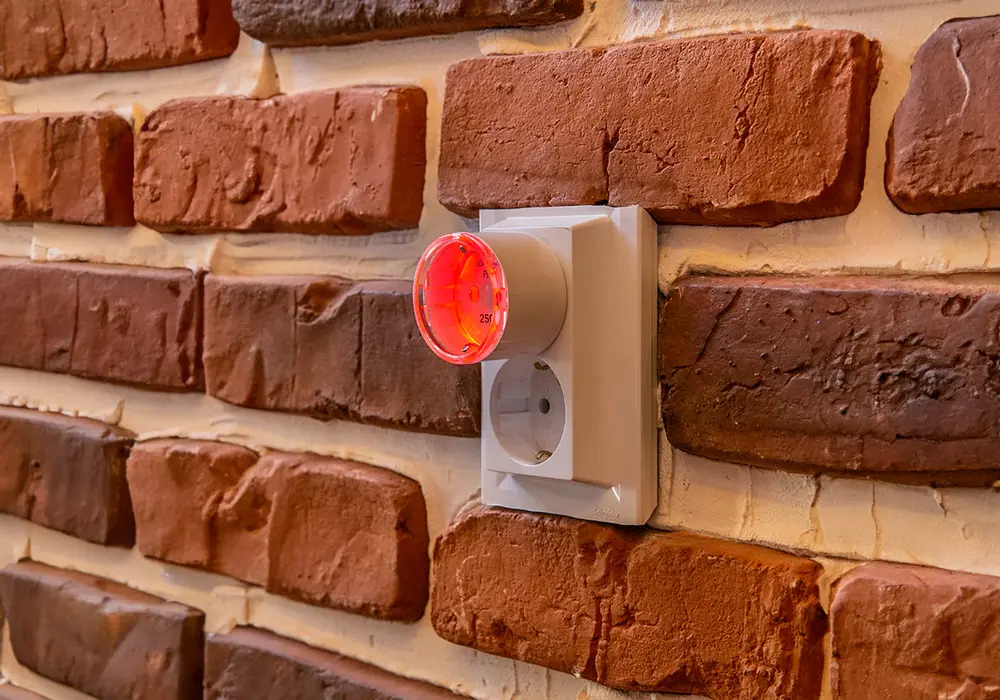
A Shelly-type smart plug with power measurement is the simplest way to start. It is suitable when the device plugs into a normal socket and its power does not exceed the limits of the plug and socket.
Indoors, Shelly Plug S Gen3 usually looks neater: it is compact, more aesthetic in a room, and its LED ring can be used as a simple indicator of the current electricity price level. For example, green can mean a favorable price and red an expensive hour, so you can see the state without opening an app.
This kind of solution is worth considering for a pool filter, small water heater, ventilation, dehumidifier, temporary heater, or another device that is safe to turn off and back on. The advantage is that you see the actual power and can quickly check whether changing the schedule helps.
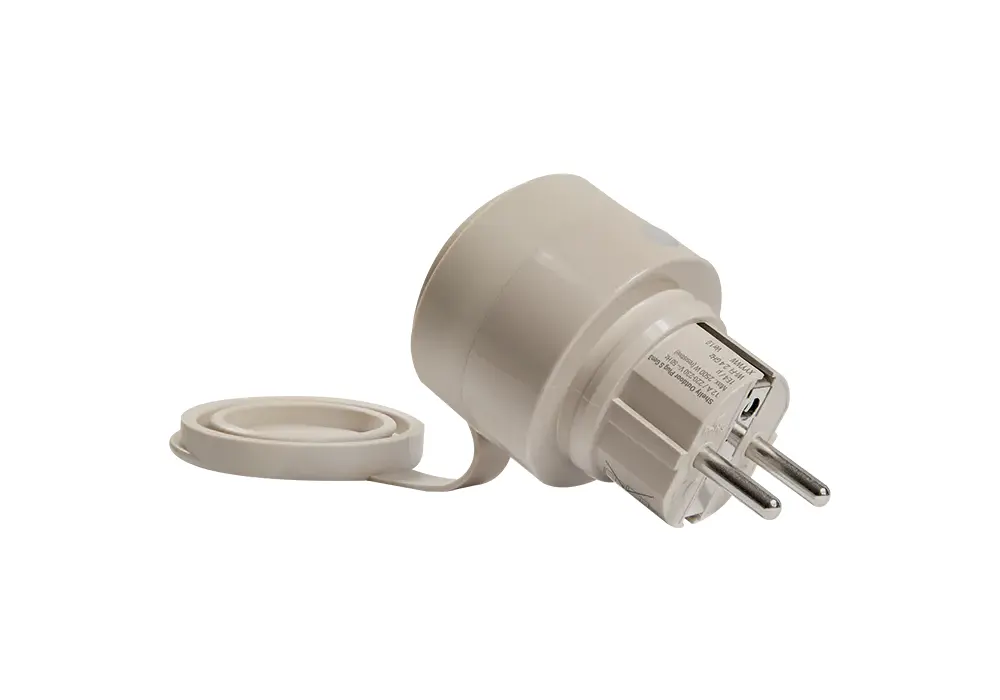
Shelly Outdoor Plug Gen3 is more suitable when the socket is more exposed to the environment, because this plug has additional protection against outdoor conditions. For indoor use, Shelly Plug S Gen3 is usually the more aesthetic and practical choice.
The limitation is simple: a plug is not a universal answer for large or fixed loads. If the device is powerful, built into the electrical panel, or controlled through a separate contactor, you need a more serious solution.

2. Relay with power measurement: when the device is not plugged into a socket
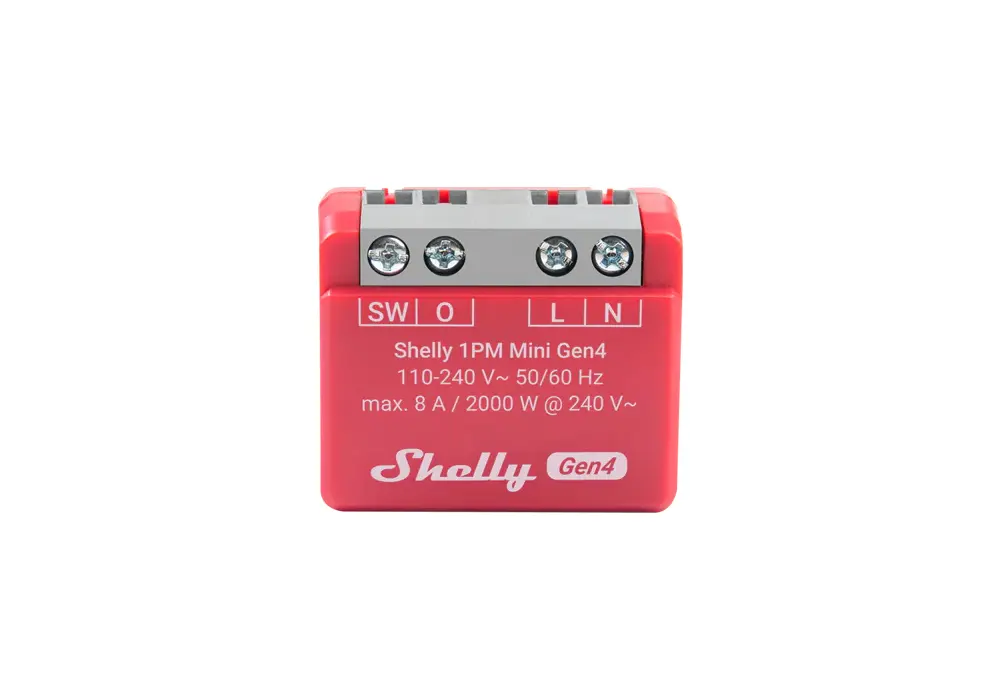
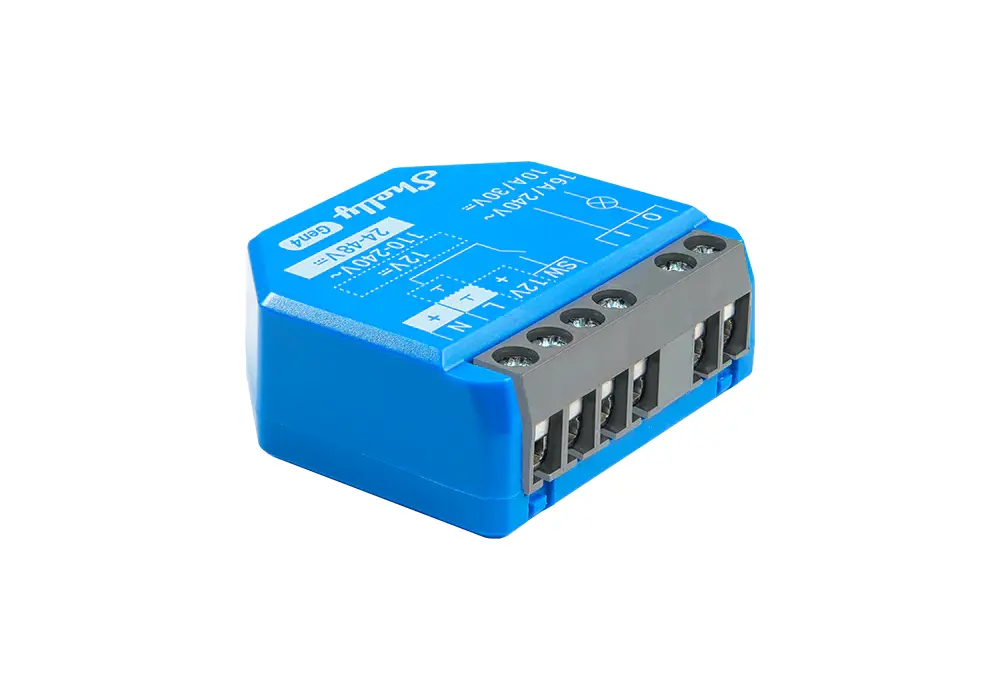
Shelly 1PM / Plus 1PM / 1PM Gen3 type relays are useful when the load is fixed and you want to control it in the electrical circuit rather than through a plug. The "PM" is important here because power measurement lets you not only switch on or off, but also see how much the device actually consumes.
This option is often logical for a boiler, circulation pump, outdoor lighting, a smaller fixed load, or a device you want to hide behind a switch or in a panel. Smart Kilowatts can then control timing by price, while you can see whether the device really ran.
Safety is especially important in this category. The relay must be selected according to current, load type, wire cross-section, cooling, installation location, and manufacturer instructions. If you are not sure, installation should be done by an electrician.
3. DIN-rail relay: a neater solution in the panel
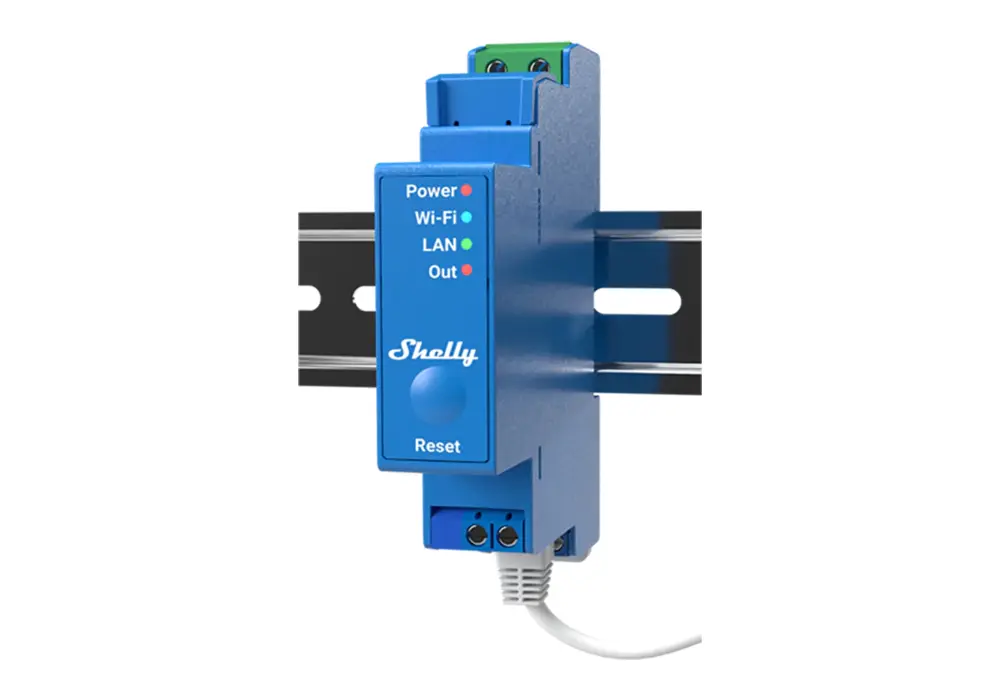
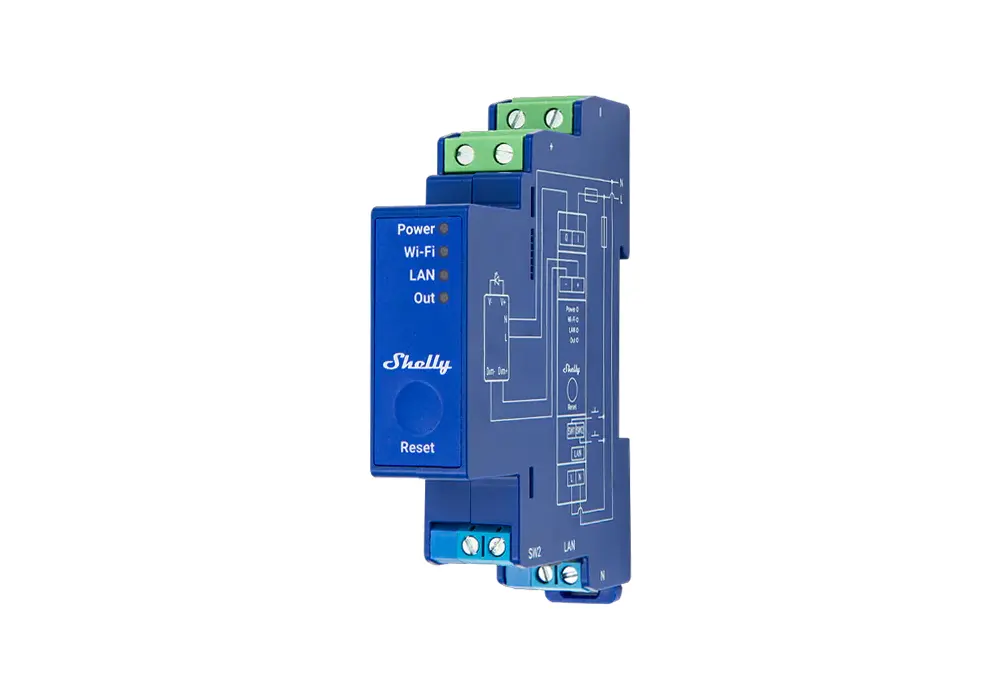
If control needs to be in the electrical panel, it is often more convenient to choose a Pro-series DIN-rail device, for example a Shelly Pro 1PM type relay. This is more of an installation-grade solution, suitable for neat, long-term mounting.
These relays make sense when you want to control a clear circuit: a boiler, pump, outdoor lighting line, ventilation, or another separate load. If the load is larger, the relay may control a contactor rather than the load directly - that should be planned by a specialist.
4. Energy meter: for measurement, not direct savings
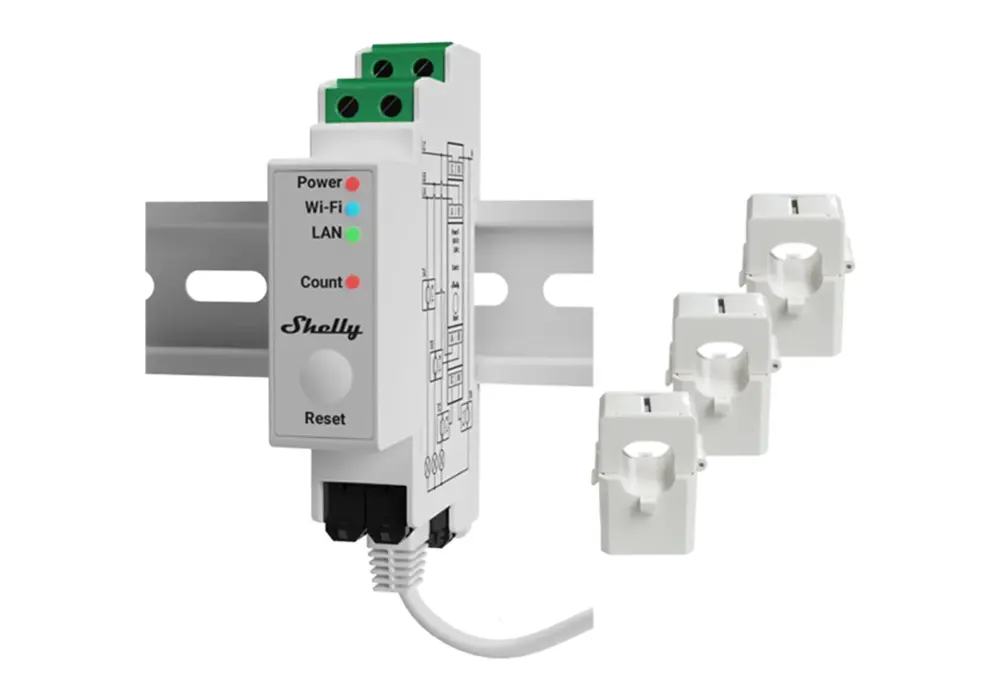
Shelly Pro EM or Pro 3EM type devices are very useful for measurement: you can see whole-home, phase, or individual-circuit consumption. However, measurement alone does not automatically reduce the bill.
These devices help you understand where electricity goes, where the large loads are, and which circuits are worth automating. After that you can decide whether changing the schedule is enough, or whether you need a relay, contactor, battery, or simply changes in consumption habits.
How to choose by device
- Pool pump. Often a good candidate. If it plugs into a socket and the power is suitable, you can start with a smart plug. If it is installed in a panel, a relay or contactor is better.
- Boiler. Savings potential can be high, but the load is often powerful. Usually a proper relay, DIN device, or contactor solution is needed.
- EV charging. A simple plug is not enough. You need to evaluate charger control, contactor, safety requirements, and the electrical installation.
- Heat recovery unit or ventilation. It can be optimized, but air quality must not be worsened. Limits matter here: how long it may be off and in which windows the device must run.
- Outdoor lighting. Often a simple load, but savings depend on power and operating hours. You can combine price, time, and sunset rules.
- Whole-home metering. Choose an energy meter. It helps find automation candidates, but usually does not switch anything off by itself.
Why power measurement matters
If a device is only switched on and off but not measured, you see the command, not the result. Power measurement helps answer practical questions: did the device really turn on, how much did it consume, how much did the month cost, and is the rule working as expected?
For that reason, the most convenient devices in Smart Kilowatts logic are the Shelly devices that can both control and measure. Control alone is suitable for simple cases, but measurement is very valuable for proving savings and diagnosing errors.
A simple selection rule
If you want to quickly test the idea with a safe plug-in load, start with a smart plug with power measurement. If the device is fixed or more powerful, plan a relay, DIN solution, or contactor with an electrician. If you do not yet know where it is worth saving, start with energy measurement.
Before buying equipment, try calculating the scenario in the Price Calculator. If you see a clear difference between a simple timer, a cheapest-hours schedule, and Smart Rules control, then it is worth choosing a specific Shelly device and a Smart Kilowatts dongle. You can read more about the dongle's role in the article what is the Smart Kilowatts dongle.
Related setups
-
Open the price calculator
Compare a simple timer, cheapest-hours schedule, and Smart Rules control.
-
Open cheapest-hours search
Find which hours were historically cheapest most often in your price area.
-
View products
Browse Smart Kilowatts equipment and the dongle bundle.